

The House Always Wins? Why Smart Players Still Love iGaming
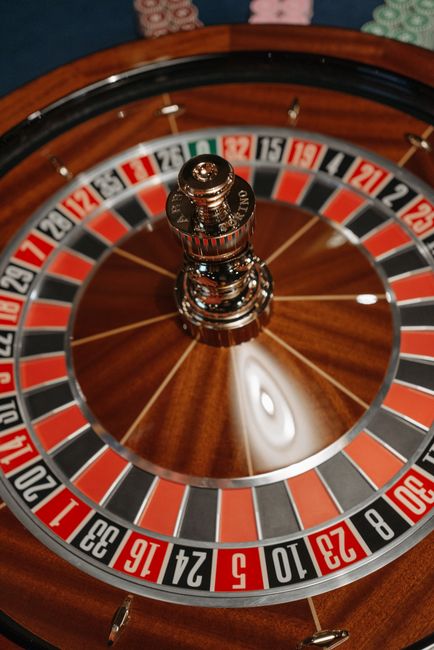
Everyone knows the phrase. Your uncle says it at every family barbecue, usually right after he tells you about the one time he hit a royal flush in Vegas. The house always wins. It's true — over millions of spins, the math tilts toward the casino. And yet, millions of people log into online poker rooms, fire up slot reels, and place accumulator bets every single day. So what gives? Are they all just bad at math?
Not even close. The smartest iGaming players understand something the skeptics miss: the house edge isn't a wall, it's a tax. You can't eliminate it, but you can manage it. And in a landscape where online casinos, sportsbooks, and poker platforms are fighting harder than ever for your attention, knowing exactly how that tax works is the difference between entertainment and a slow bleed.
What the House Edge Actually Means in Practice
Let's put a number on it. European roulette carries a house edge of about 2.7%, thanks to that single zero. American roulette, with its double zero, jumps to 5.26%. That gap looks small until you run the math over a few hundred spins.
Slots are a different animal entirely. Depending on the platform and jurisdiction, RTP (return to player) typically lands between 92% and 97%. That means for every €100 wagered, you're theoretically getting back €92 to €97 over the long run. But here's the part most casual players miss: RTP is calculated over millions of spins. In any single session, variance is king. You could triple your balance in twenty minutes or lose it in ten. Neither outcome says anything about whether the game is fair.
Blackjack, played with basic strategy, can push the house edge below 0.5%. That's why serious players gravitate to it. Card counting in a live online environment is mostly impractical, but simply knowing when to hit, stand, double, and split can save you hundreds over a year. Most people never bother learning.
Sports Betting: Where Information Beats Luck
If slots are pure probability, betting is where skill starts to matter. Not in a romantic "I have a system" way — bookmakers have heard every system. But line shopping, understanding implied probability, and knowing when a market is mispriced genuinely matter.
Convert any decimal odds into implied probability with a simple formula: divide 1 by the odds. Odds of 2.50 imply a 40% chance. If your own analysis says the true probability is 45%, you've found value. Do that consistently and you're no longer gambling in the pejorative sense — you're investing with an edge. This is explained well on slot mahjong.
Here are the habits that separate sharp bettors from the rest:
- They shop across multiple books. A half-point difference on a spread or a 0.15 bump on a moneyline adds up fast over a season.
- They track every bet. Spreadsheet, app, notebook — doesn't matter. If you don't know your ROI, you don't know if you're actually good.
- They avoid parlays as a default. Parlays are fun and occasionally lucrative, but stacking legs compounds the bookmaker's margin on every selection.
- They bet into markets they actually follow. Obscure leagues look tempting, but information asymmetry cuts the other way.
Slots: How to Read a Paytable Without Falling Asleep
Most players spin first and read later. That's a mistake. The paytable tells you almost everything you need to know in under two minutes.
Look for three things. First, the RTP — many regulators require it to be published, and reputable providers list it voluntarily. Second, the volatility. Low-volatility slots pay smaller amounts more often, which suits longer sessions on a smaller bankroll. High-volatility games like Money Train or many Megaways titles can go dozens of spins without a meaningful win, then explode. Third, the maximum win. A slot advertising 50,000x is telling you it's built for rare, violent payouts.
One more practical tip: bonus buy features, where legal, typically cost 80 to 100 times your base bet. The RTP on these features is often slightly lower than the base game. Convenient, yes. Good value, usually not.
Poker Remains the Only Game Where You Beat People, Not the House
This is the fundamental distinction that poker players love to point out, and they're right. In cash games, the casino takes a small rake and steps aside. Your profit comes from weaker opponents. That makes poker the one iGaming vertical where long-term winning is genuinely achievable with discipline.
But the modern online poker ecosystem rewards specialization. Playing six tables of everything is a great way to be mediocre at all of them. The players climbing the stakes today tend to focus on one format — six-max no-limit hold'em, turbo sit-and-gos, pot-limit Omaha — and study it relentlessly with solver software.
- Start with a fixed bankroll. Twenty buy-ins for cash games is a common minimum, more for tournaments where variance is brutal.
- Play fewer tables than you think you can handle. Add tables only when your win rate stays stable.
- Review sessions weekly. Mark the biggest pots and ask whether your decision was sound, regardless of the result.
- Move down when you're losing. Ego is the most expensive leak in poker.
Bankroll Management Is the Whole Game
Ask any professional — from sports bettors to slot streamers to poker grinders — and they'll all say the same thing. Skill determines whether you win. Bankroll management determines whether you survive long enough to win.
A simple framework: never risk more than 1% to 2% of your total gambling budget on a single bet or spin. If you have €500 set aside specifically for iGaming, your average bet should sit around €5 to €10. This keeps you in the game through cold streaks, which are guaranteed to happen.
Equally important: treat that bankroll as spent the moment you deposit it. Money earmarked for gambling should never touch rent, groceries, or savings. And set a session loss limit before you start, not after you're down €200 and feeling like you need to chase it back.
The Bottom Line
The house edge is real, and no strategy erases it. But the gap between a frustrated loser and a player who genuinely enjoys iGaming comes down to a handful of unglamorous habits: reading paytables, tracking results, shopping lines, specializing in one game, and refusing to bet money you can't afford to lose.
The industry has gotten smarter, too. Modern platforms offer responsible gambling tools like deposit limits, session timers, and self-exclusion — features that would have seemed exotic a decade ago. Using them isn't an admission of weakness. It's what professionals quietly do.
So no, the house doesn't lose. But with the right approach, neither do you. Not in the way that matters.